Principles of Play Science
Research on play is vast, spans many areas, and has led to numerous organizations that raise awareness and advocate for its importance. Some focus on play in young children's lives, while others focus on play across the lifespan. Others examine how play supports cognitive development, while others focus on play and trauma. Some organizations focus on play in education, while others examine play in communities. Each organization chooses its niche and decides which aspects of the science of play it wants to share.
At the Play Science Institute, we are guided by three Principles of Play Science:
Play leads development.
Play IS learning.
Play fosters well-being.
Play leads development
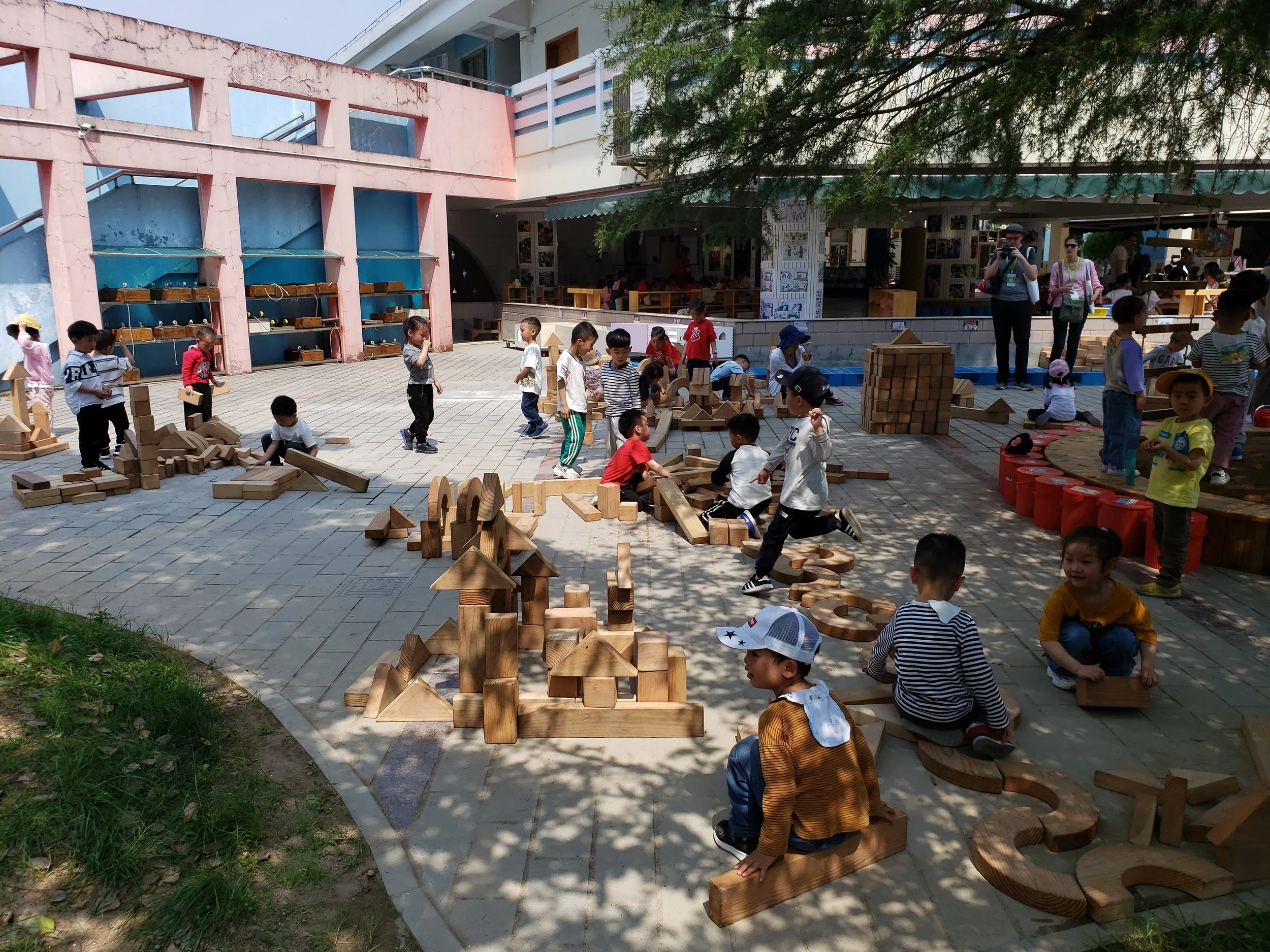
We begin with a well-documented fact: Play is the leading activity of development. This means that during play, children’s development is maximized. Development is the process of growth and maturation that all humans experience. Russian psychologist Lev Vygotsky documented how play is the leading activity of development. A leading activity is the activity that drives the most development during a particular period. Vygotsky believed play drives development during childhood (during infancy, attachment is the leading activity); however, others argue that play is a leading activity throughout life, not just in childhood. At the Play Science Institute, we focus on children from birth to age 12. If the goal of childhood is to foster optimal whole-child development, then we must let the children play.
Play IS learning
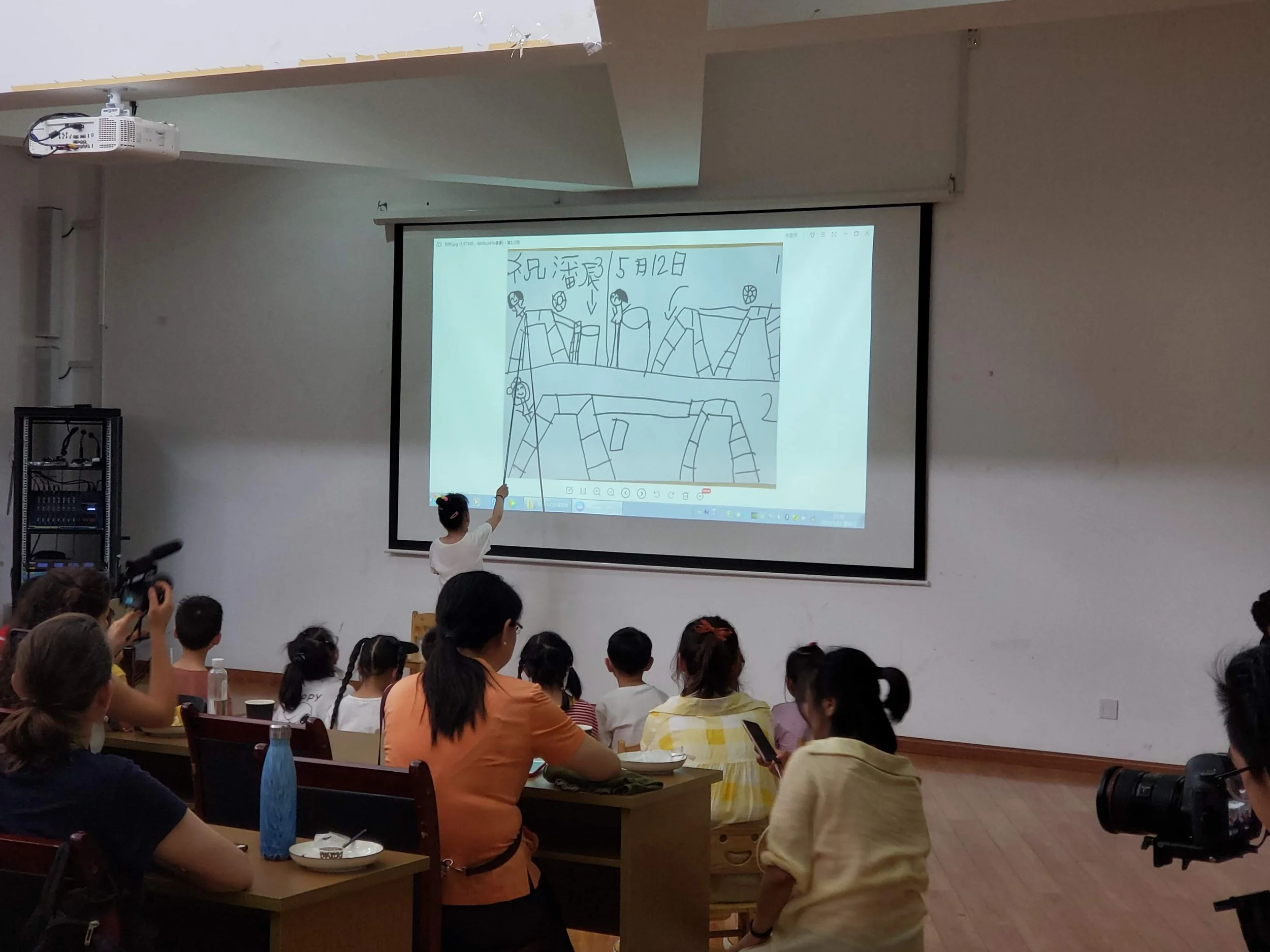
I purposefully capitalize IS because I find this principle the hardest for many to accept. Play is how children learn best, but it is often treated as a break from “real learning”. We know children construct knowledge from experience, and learning involves acquiring skills and knowledge. Just as play supports development, it also provides the best environment for children to build skills and learn new knowledge. Learning can be taught by an adult, but learning through self-directed engagement with the environment, driven by intrinsic motivation, is the best type of learning. The early years are the best time to build the foundation needed for academic learning through child-led free play.
Play fosters well-being
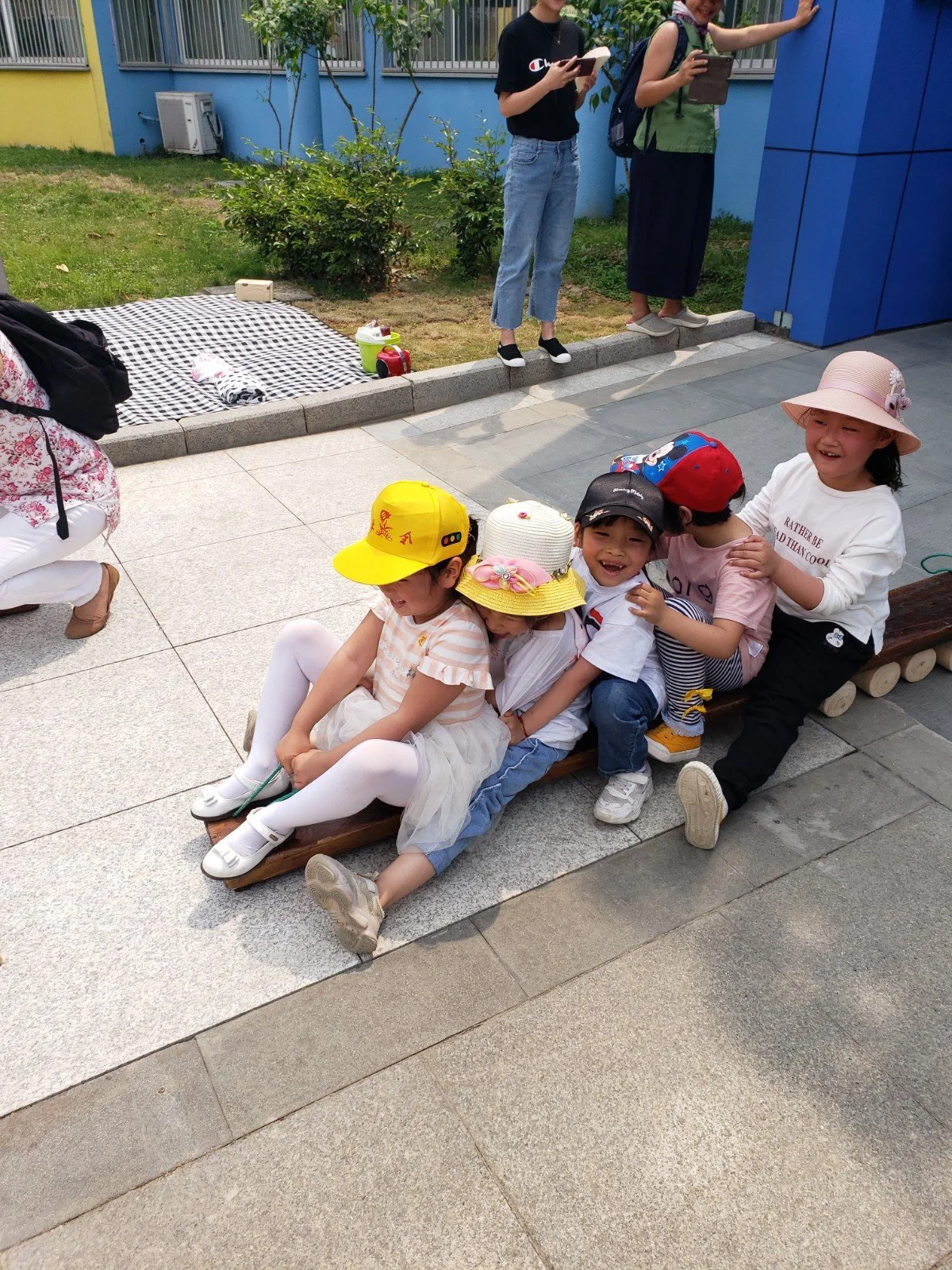
Play is a biological necessity that all mammals engage in early in life. This natural drive to play makes it a powerful tool to improve our well-being. By "our," I mean all of us: children and teachers. Through my research on the teacher's role in play-led environments, I learned that play benefits not just children but also teachers. Play benefits the body, mind, and soul. Play builds resilience and empathy. Play fosters collaboration and perspective-taking. Autonomy and agency flourish in play. Psychologist Peter Gray has documented a connection between the decline in child-led free play and a decline in mental health.
These three principles of play science guide the Play Science Institute's work. Our courses and workshops build on the Principles of Play Science as we support educators in using play pedagogy. We invite you to learn more about the Principles of Play Science
